
THE ART OF FIRE
THE ART OF FIRE
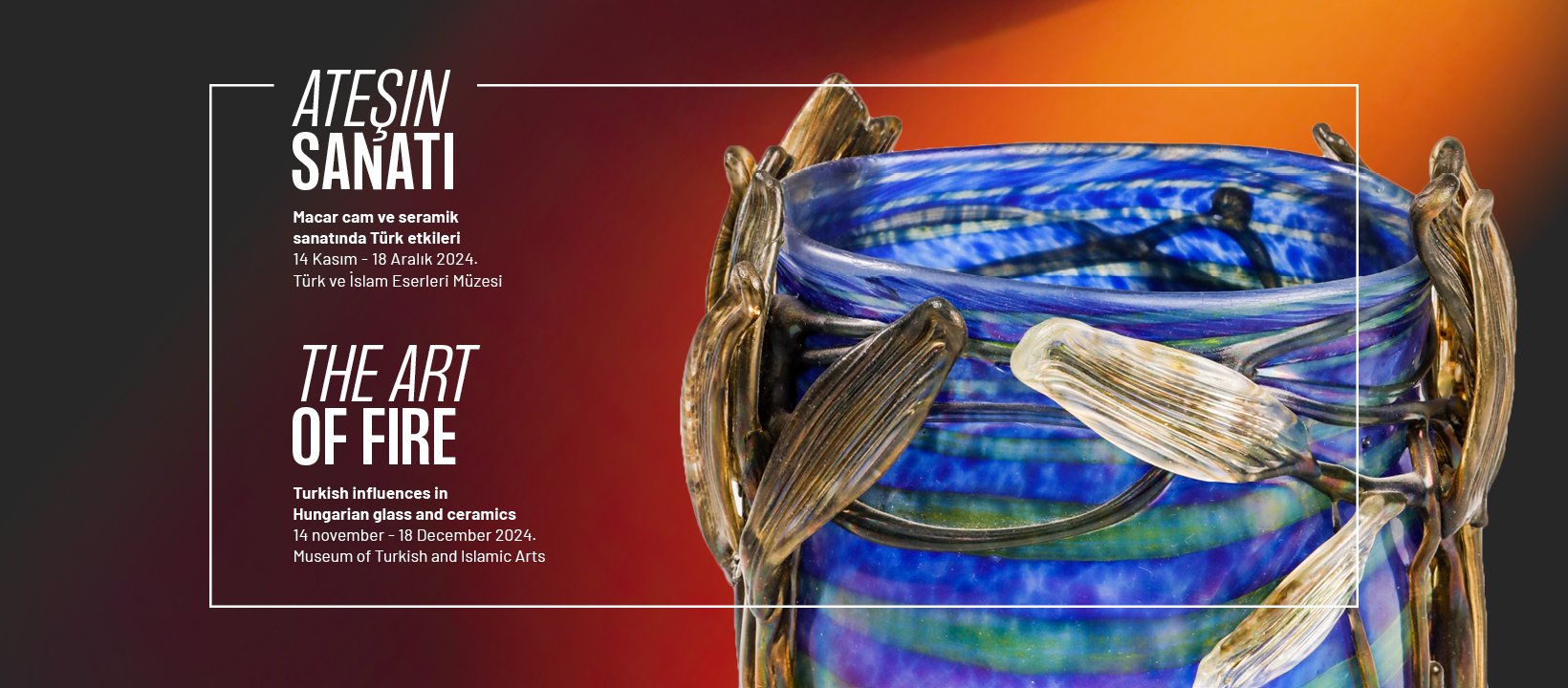
Turkish influences in Hungarian glass and ceramics
The concept for the current Istanbul exhibition, ‘The Art of Fire’, was inspired by an exhibition which took place 20 years ago at the Getty Museum, where curator Catherine Hess explored the influence of Islamic glass and ceramics in Italian Renaissance art.
At the time, the exhibition highlighted a number of interesting details, reminding of the fact that the basic concepts and techniques of Renaissance ceramics and glass art essentially came to Europe from the Islamic world, in which Venice’s role became increasingly important from the 16th century onwards. At the same time, the Ottoman Empire essentially synthesized the influences of the classical Islamic world and the art of the Eastern Roman Empire, while at the same time entering into a lively commercial and cultural dialogue with the rest of Europe, making Eastern influence a constant feature in Western art.
The title of the exhibition is partly a tribute to the American exhibition of 20 years ago, and partly a way of transposing this concept into the wider context of Hungarian ceramics and glass art as well as of Turkish-Ottoman-Islamic ceramics and glass art. After all, the influence of Turkish art on Hungarian applied art was greater and deeper rooted than that of its European counterparts. Through the deep-rooted common roots, the Turkish influence found its way into Hungarian folk art quickly and permanently, both through its techniques and its representational methods. The “Floral Renaissance” of the court of the Transylvanian Principality, which existed as a Turkish vassal during the 17th century, was not only the easternmost bastion of the European Renaissance, but it also absorbed the noble patterns of Anatolian textiles and Iznik pottery that came to the court as an indelible influence, so that the people of the villages made this style an integral part of their own artistic expression.
When the Hungarian national awakening gained new momentum in the 19th century, this historical process took place in parallel with the birth of modern, autonomous industrial art in Europe. The canonisation of Hungarian folk-art coincided with the great Orientalist renaissance of Western art. By international standards the Hungarian artists of the period were more enthusiastic and more prolific in their use of the treasures of Ottoman art than their European counterparts. This trend was driven by the already flourishing friendship between the two nations.
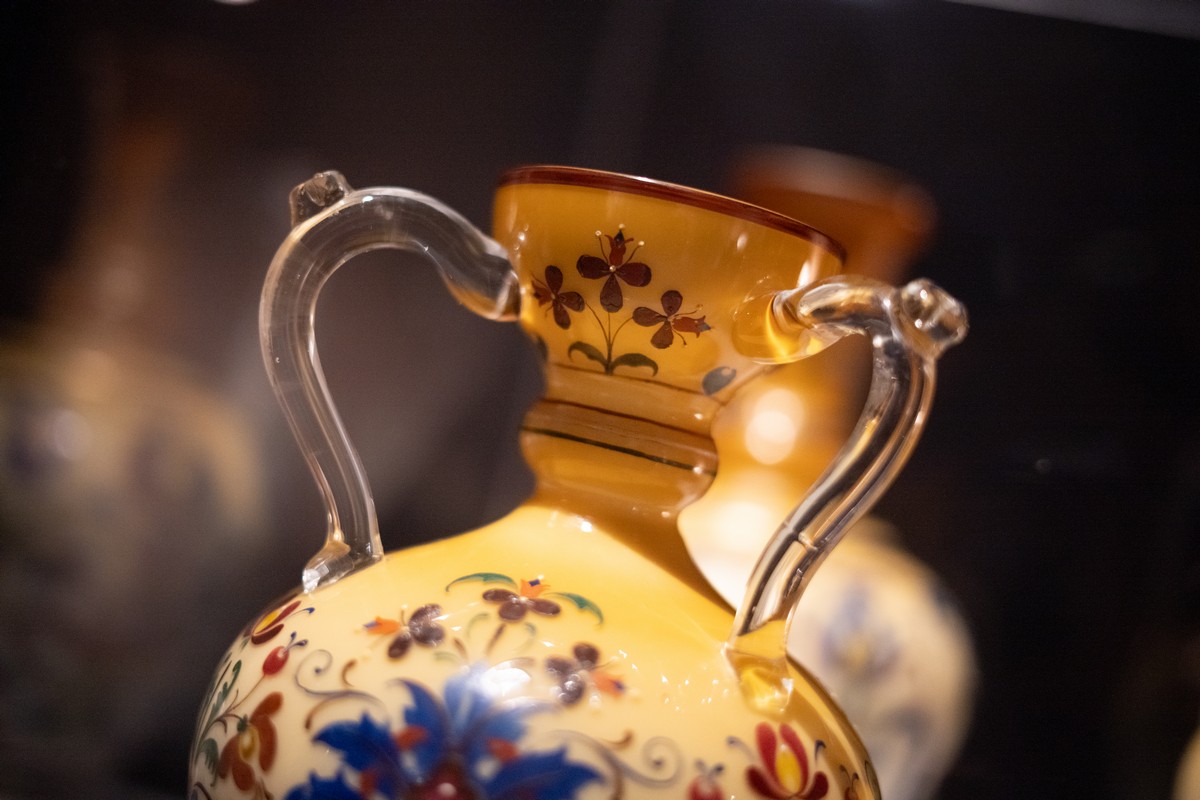
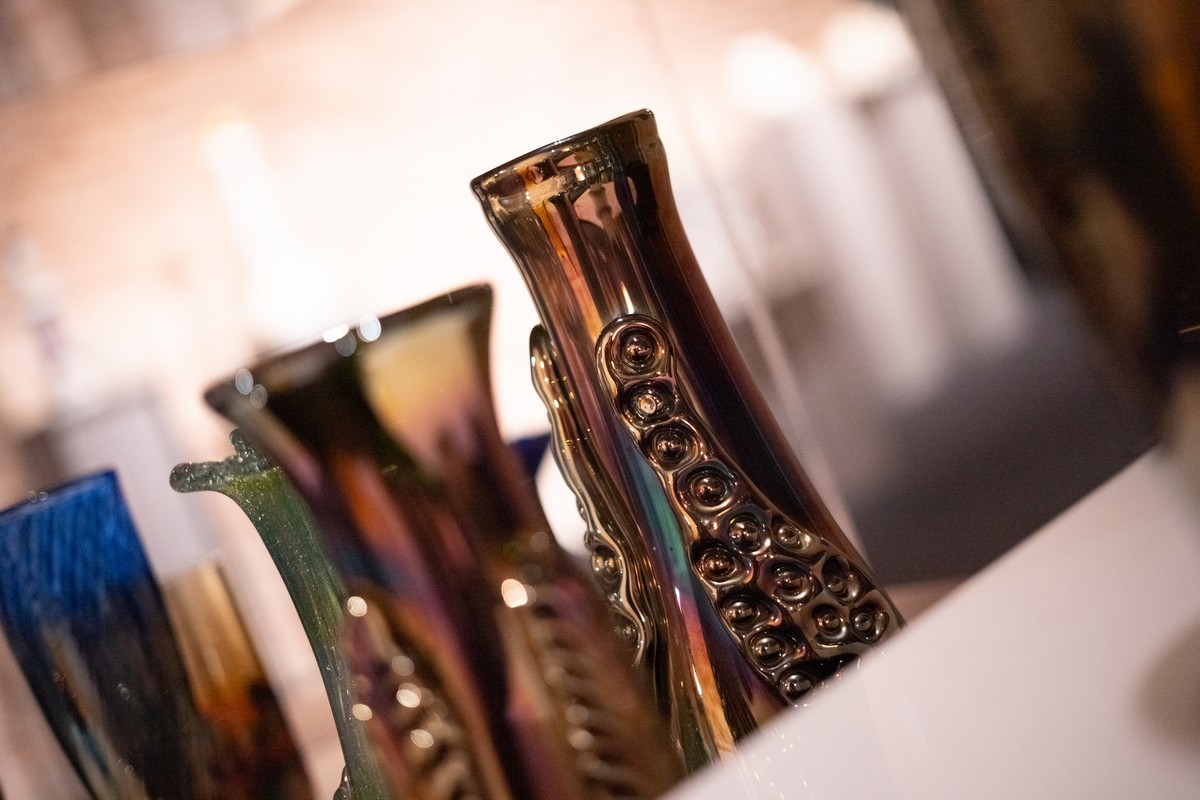
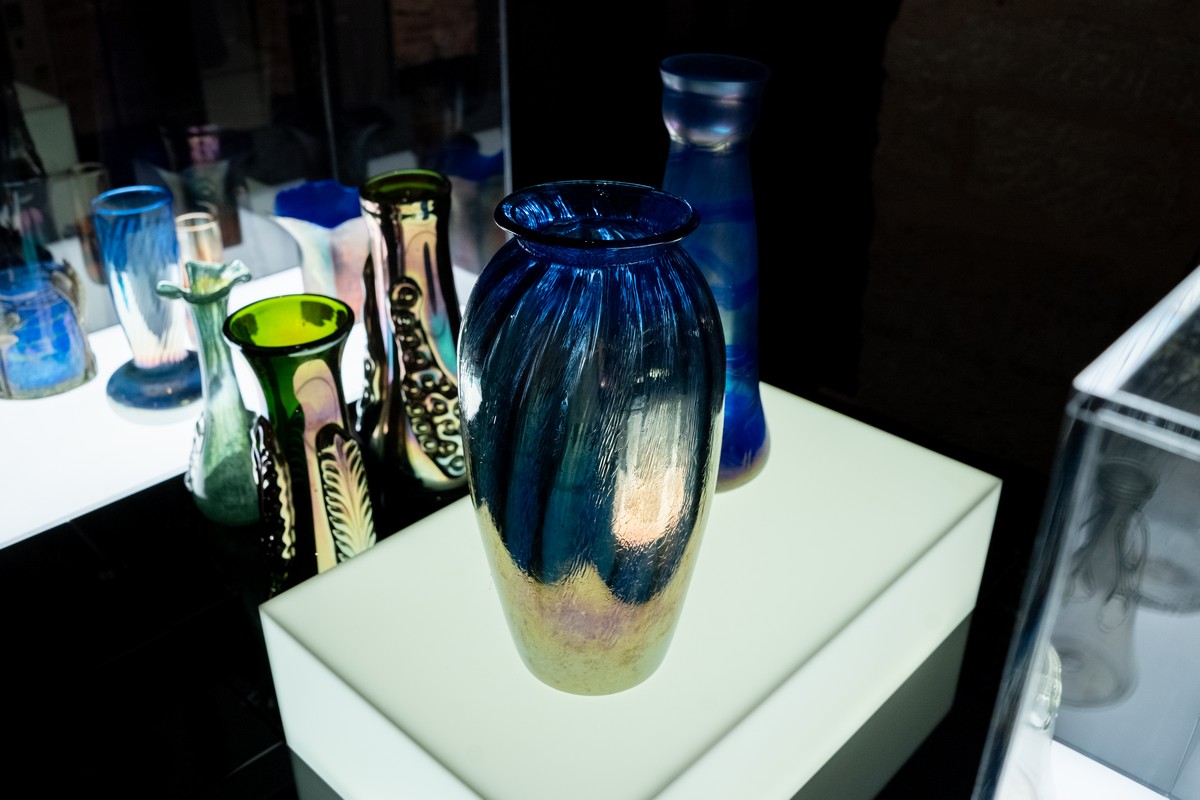
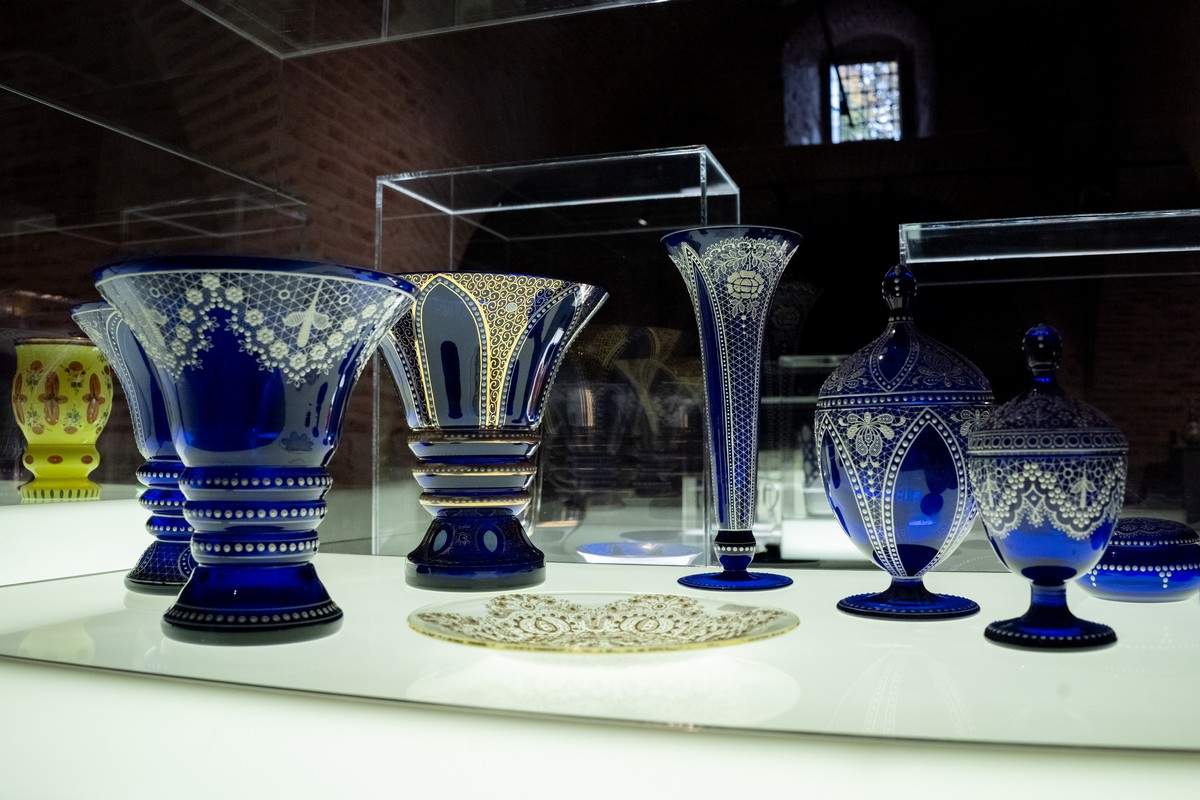
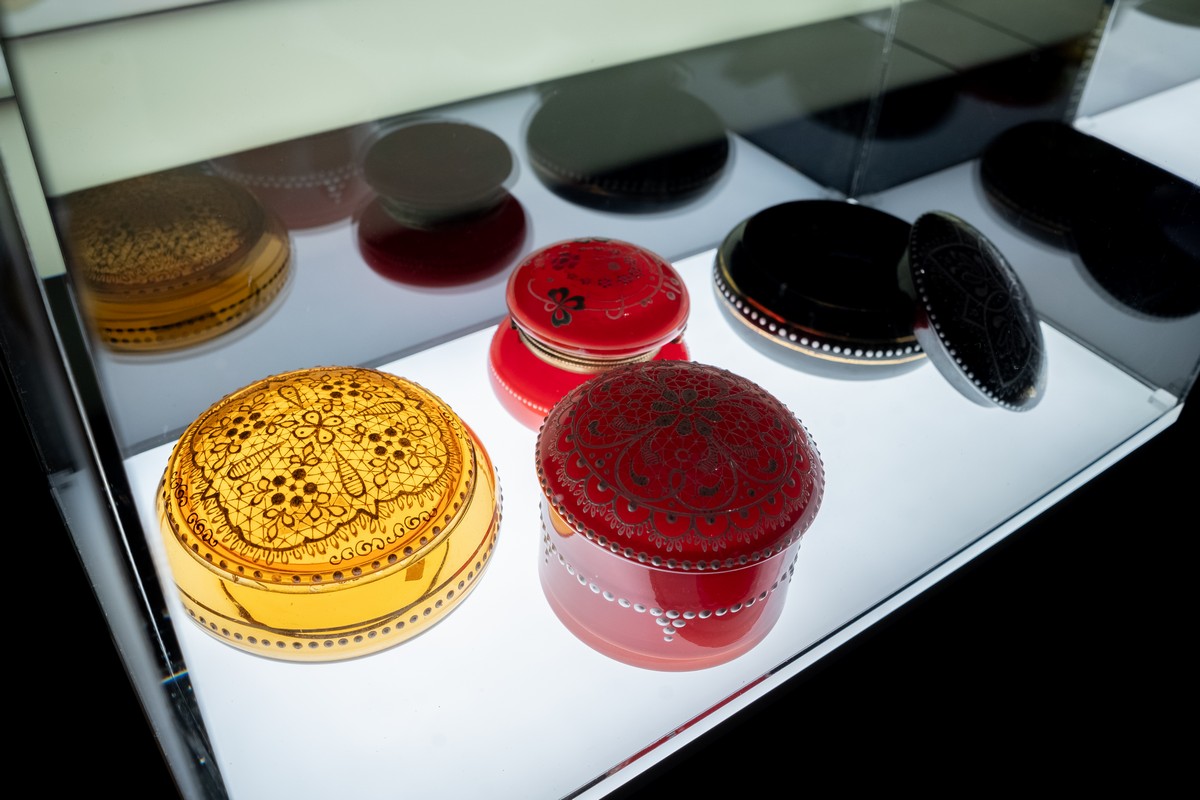
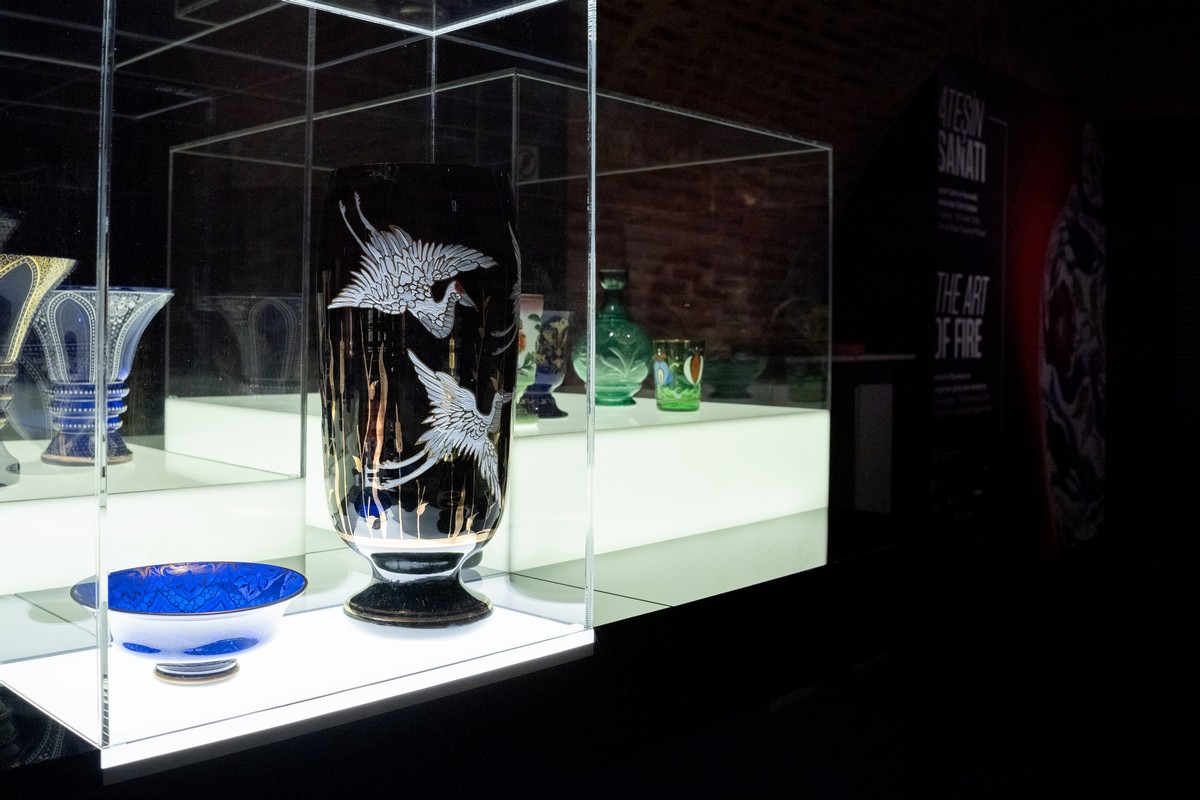
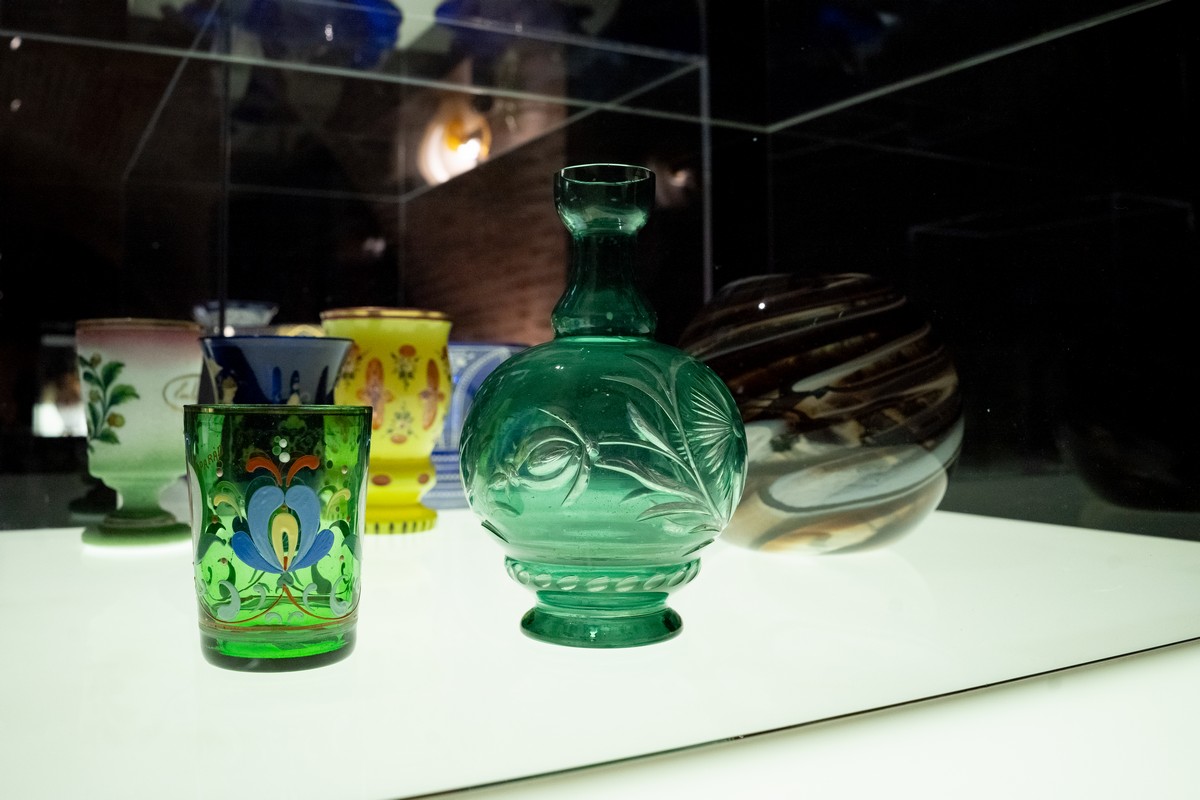
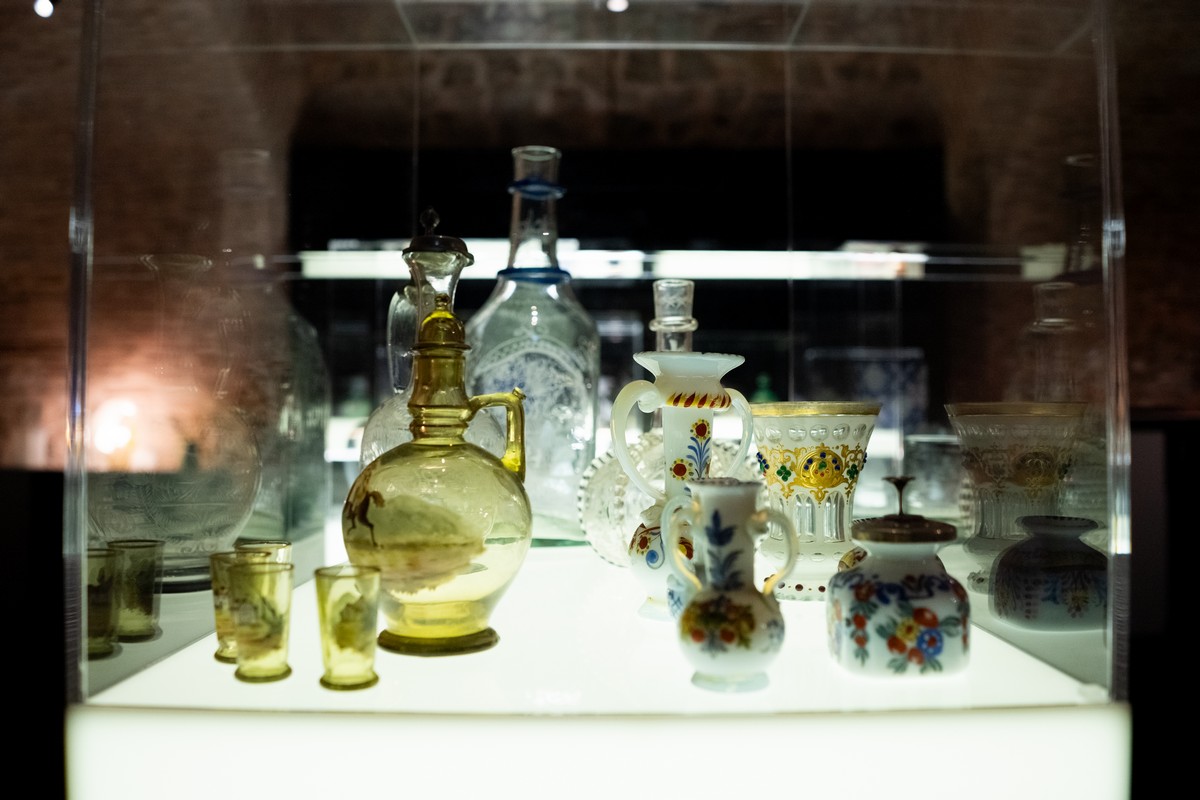
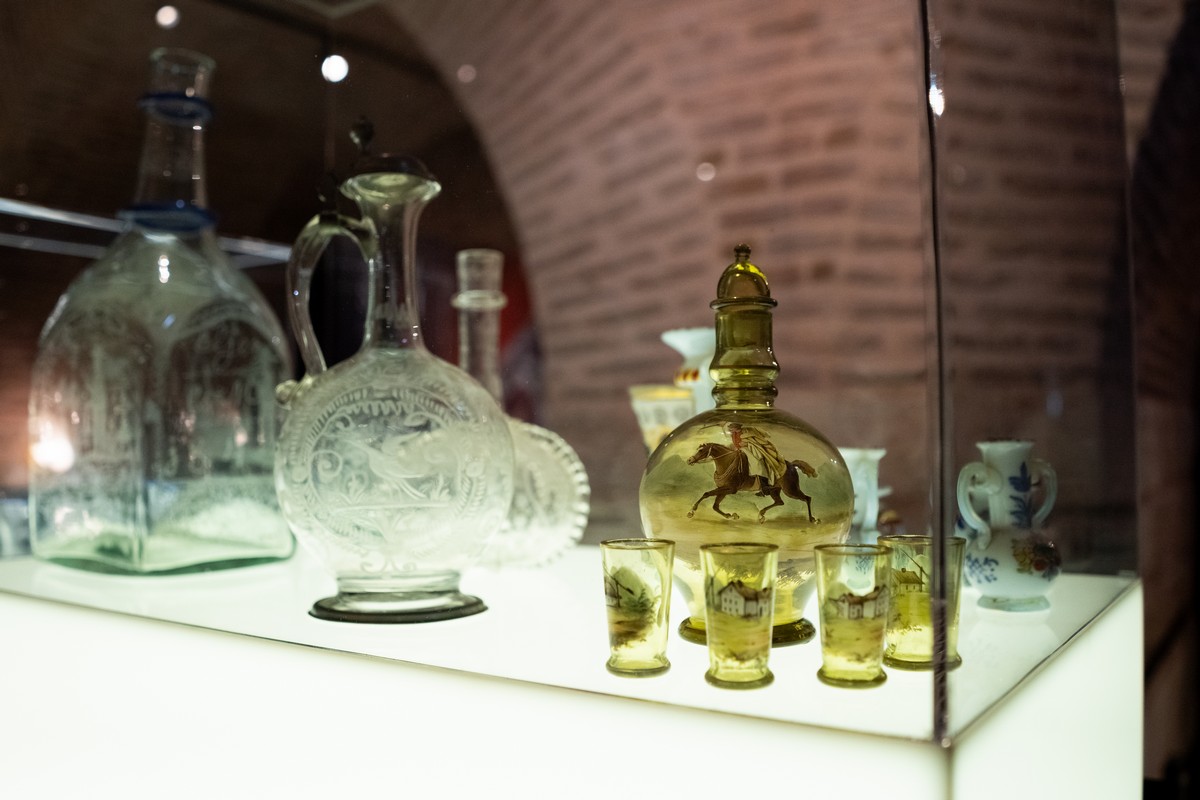
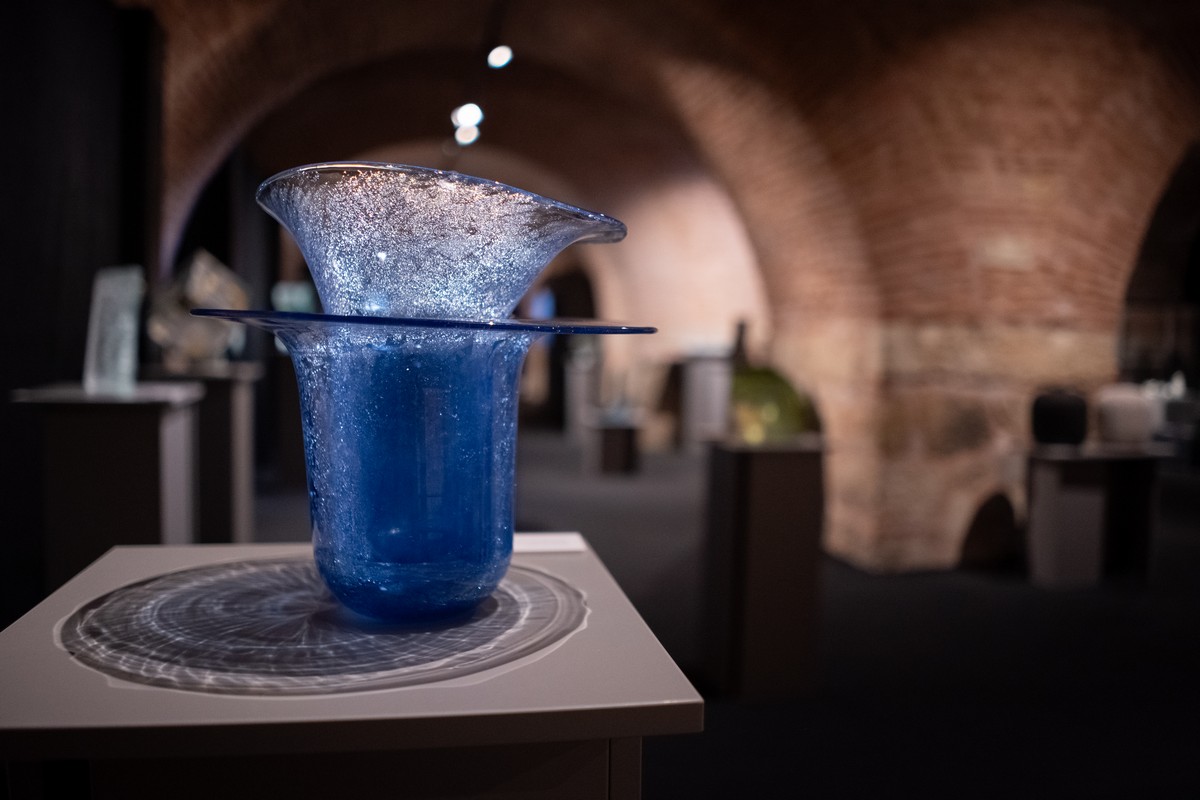
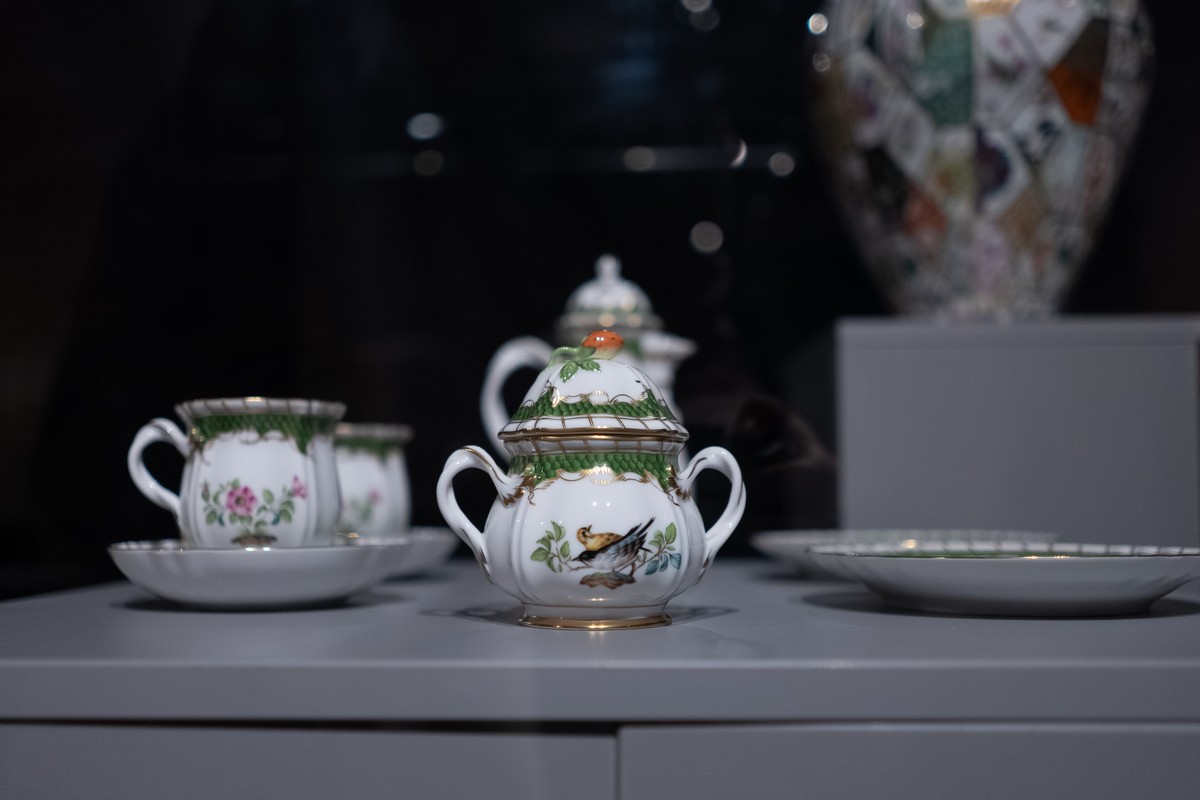
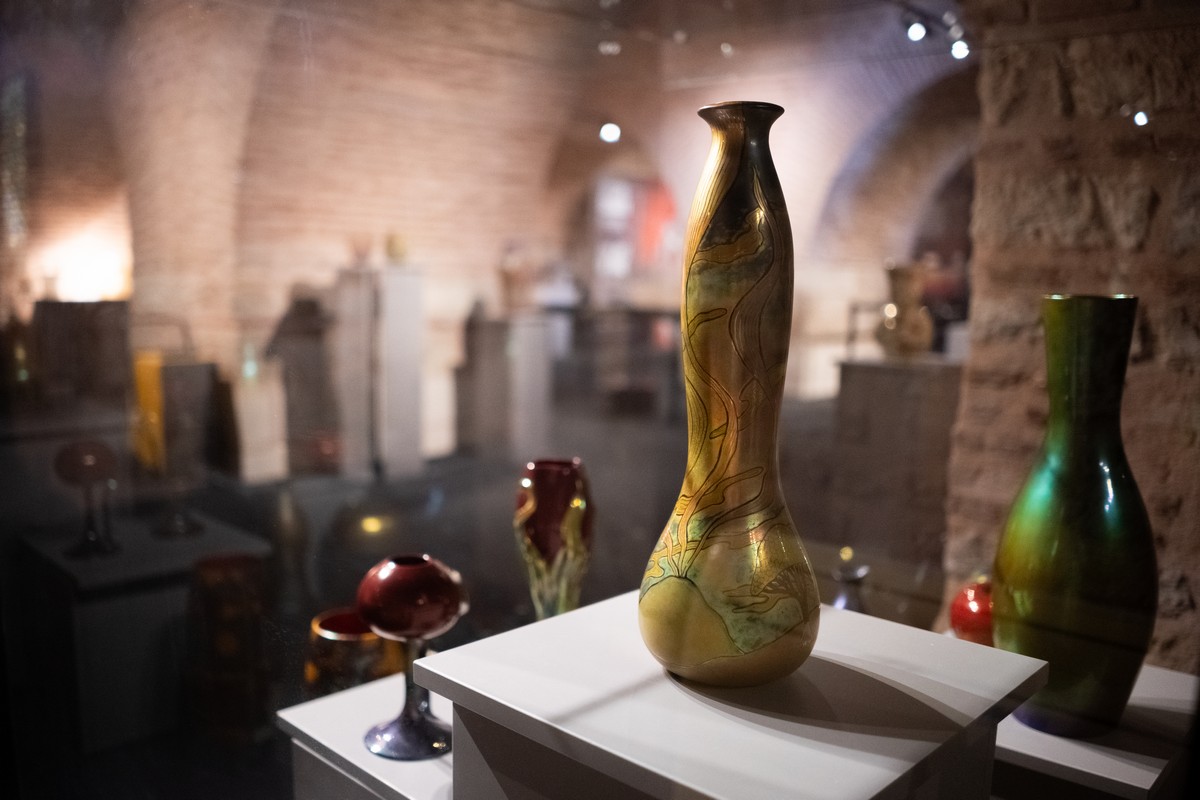
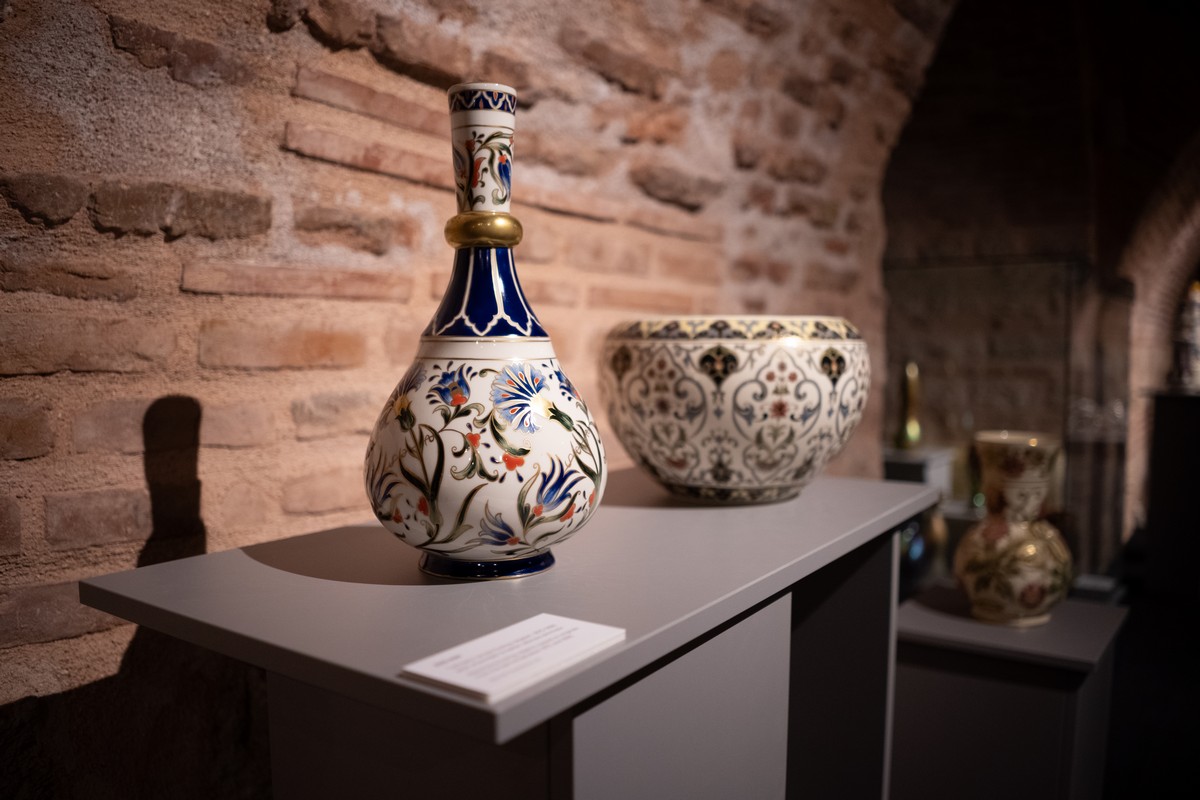
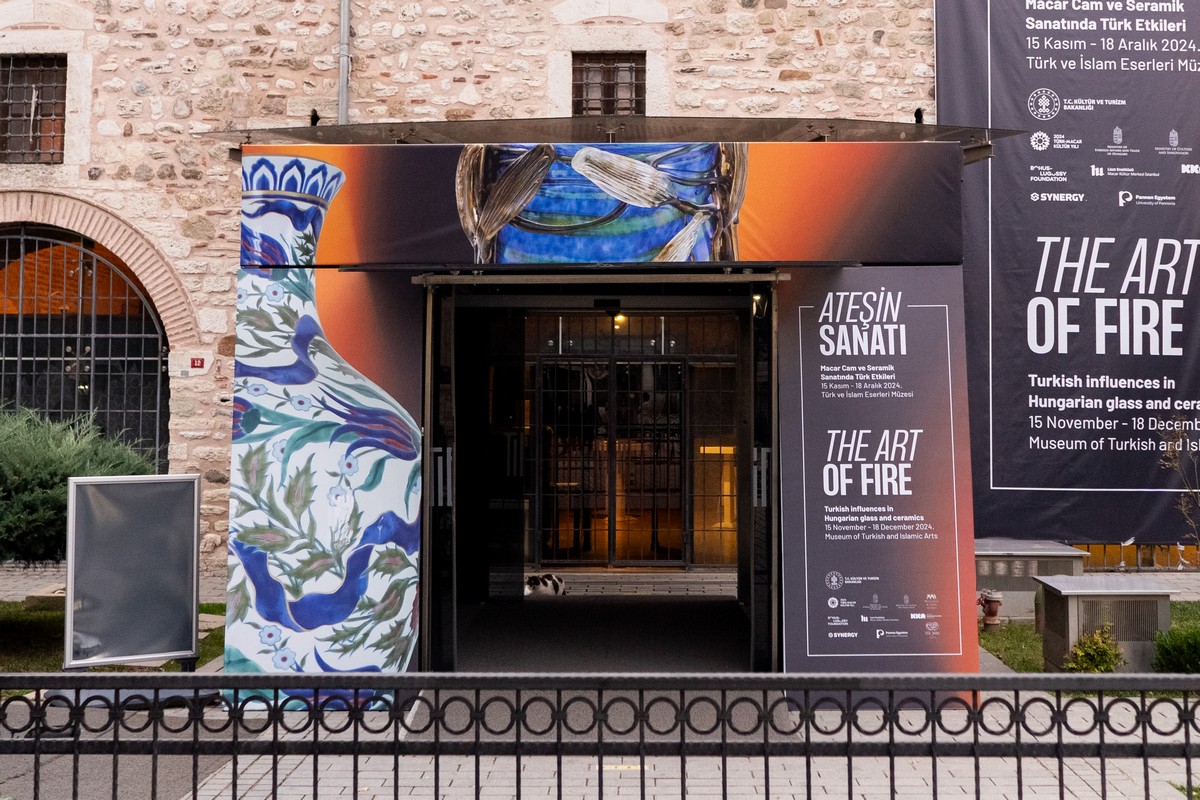
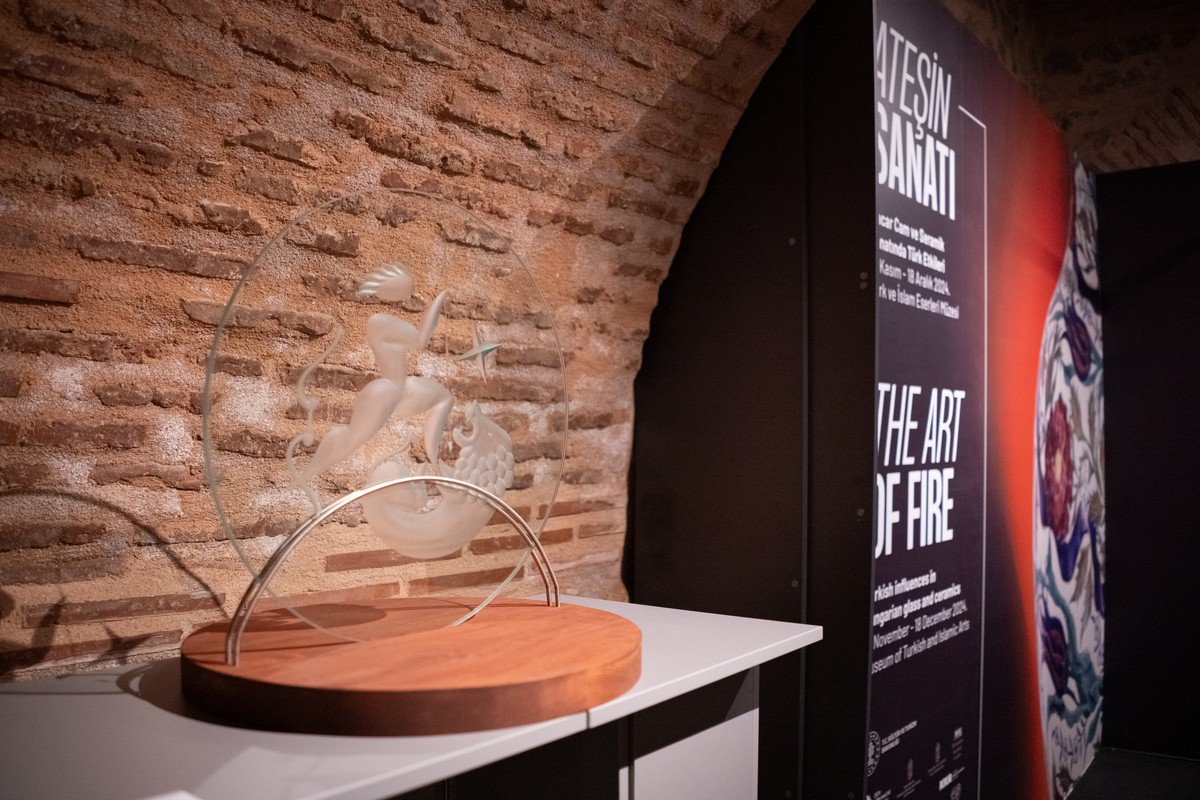
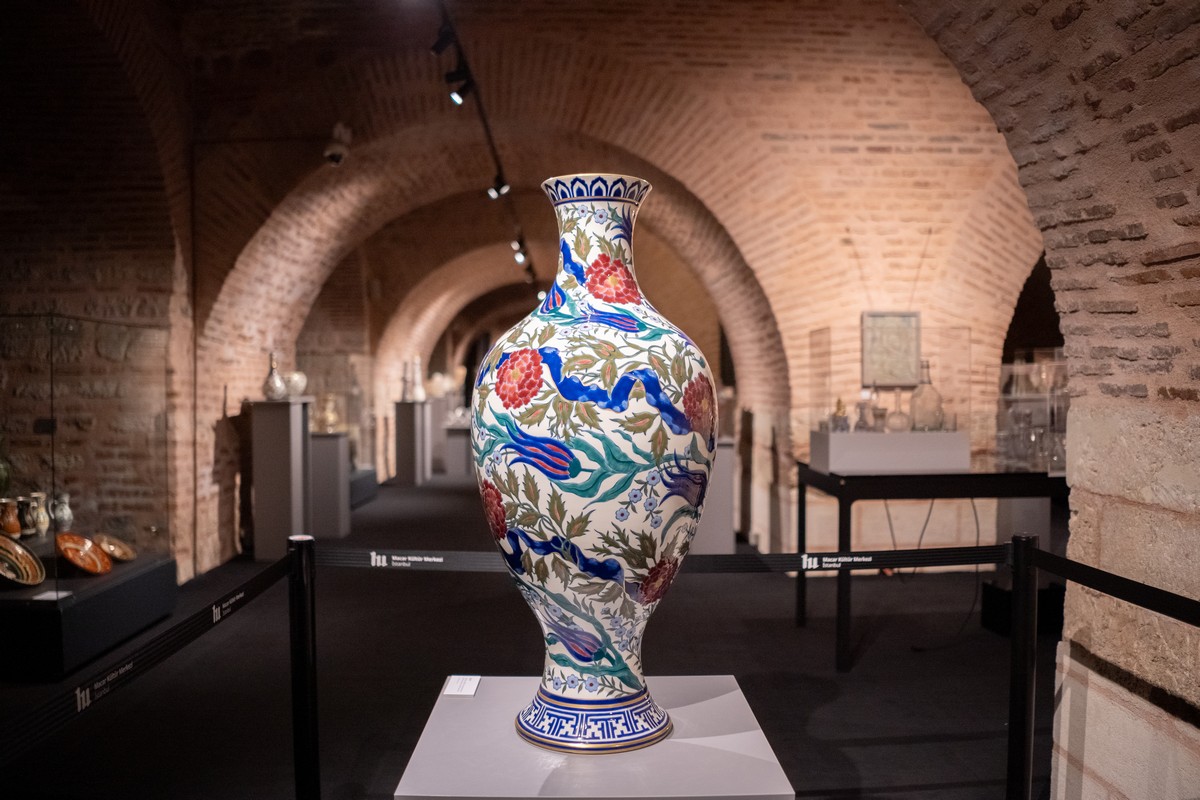
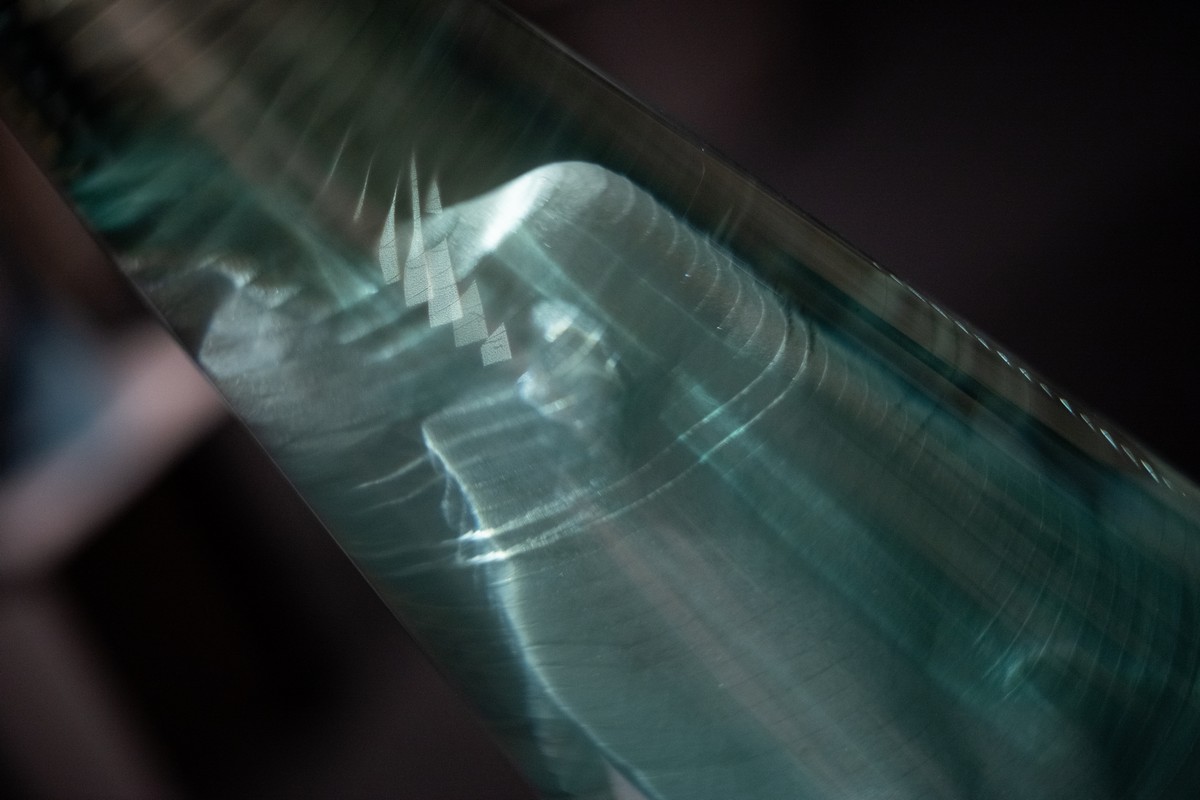
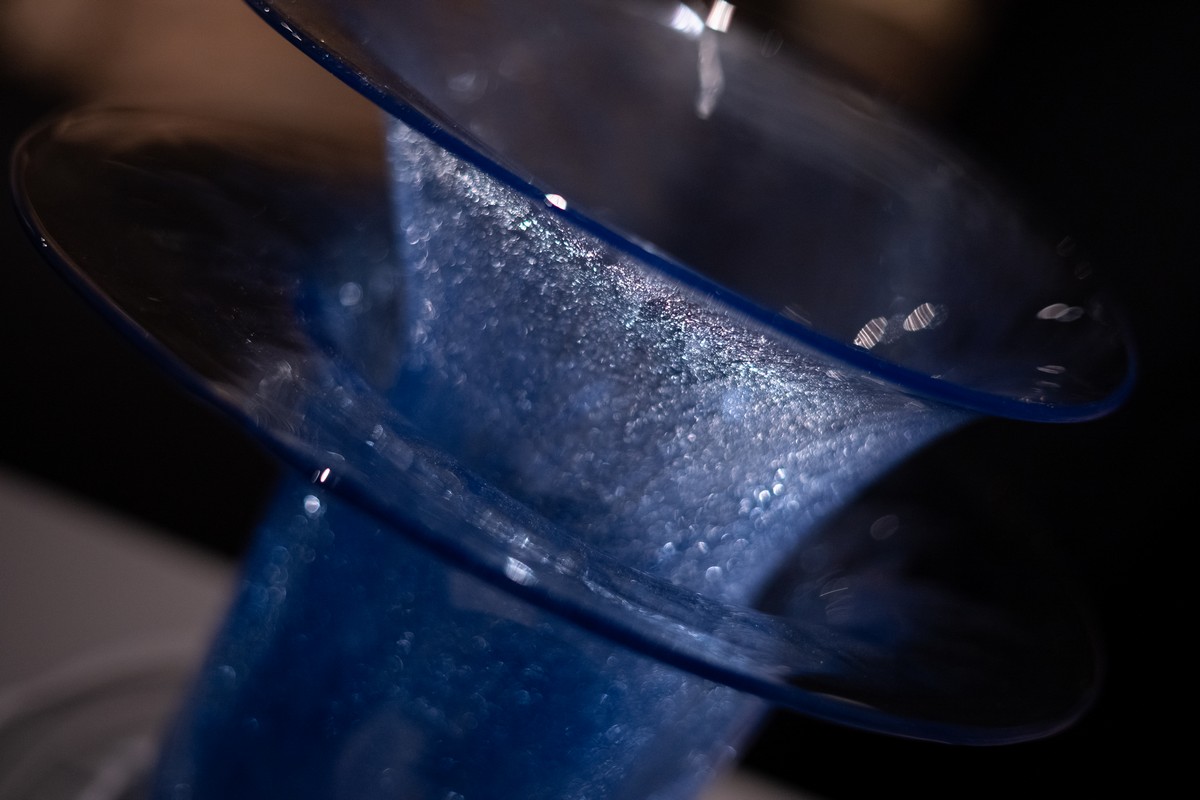

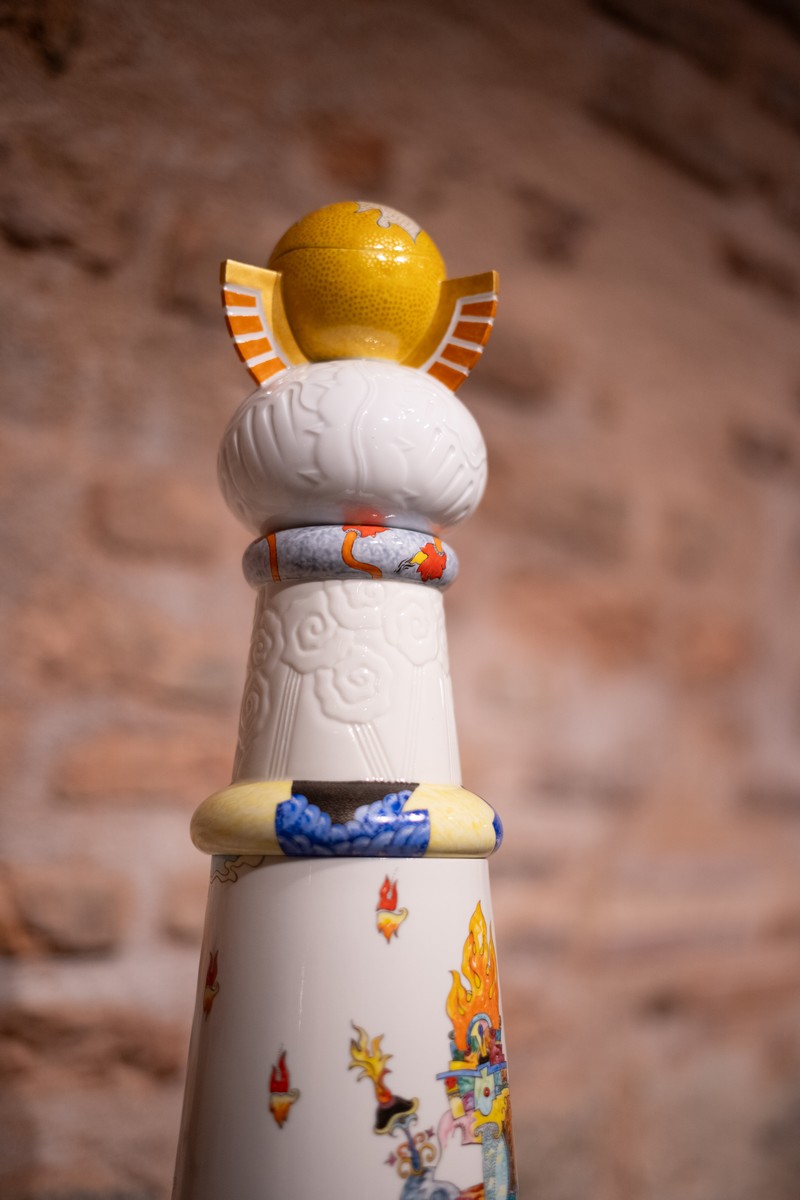
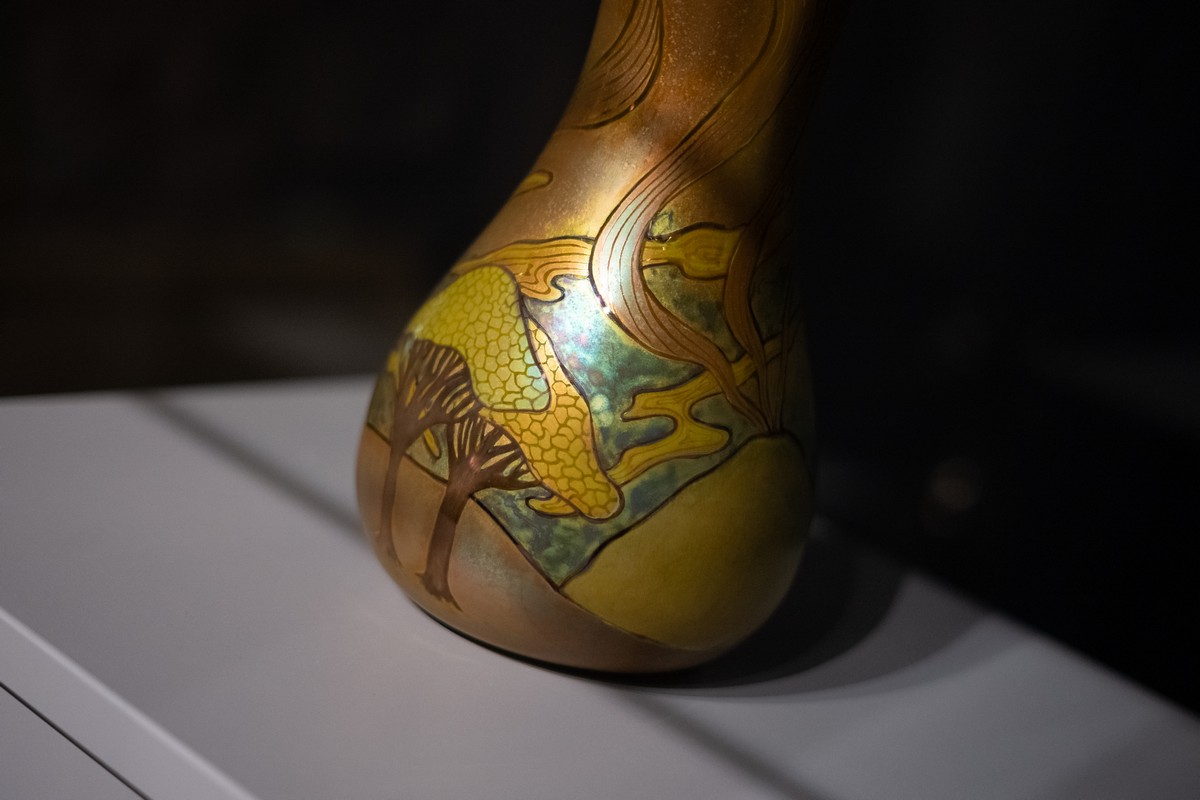
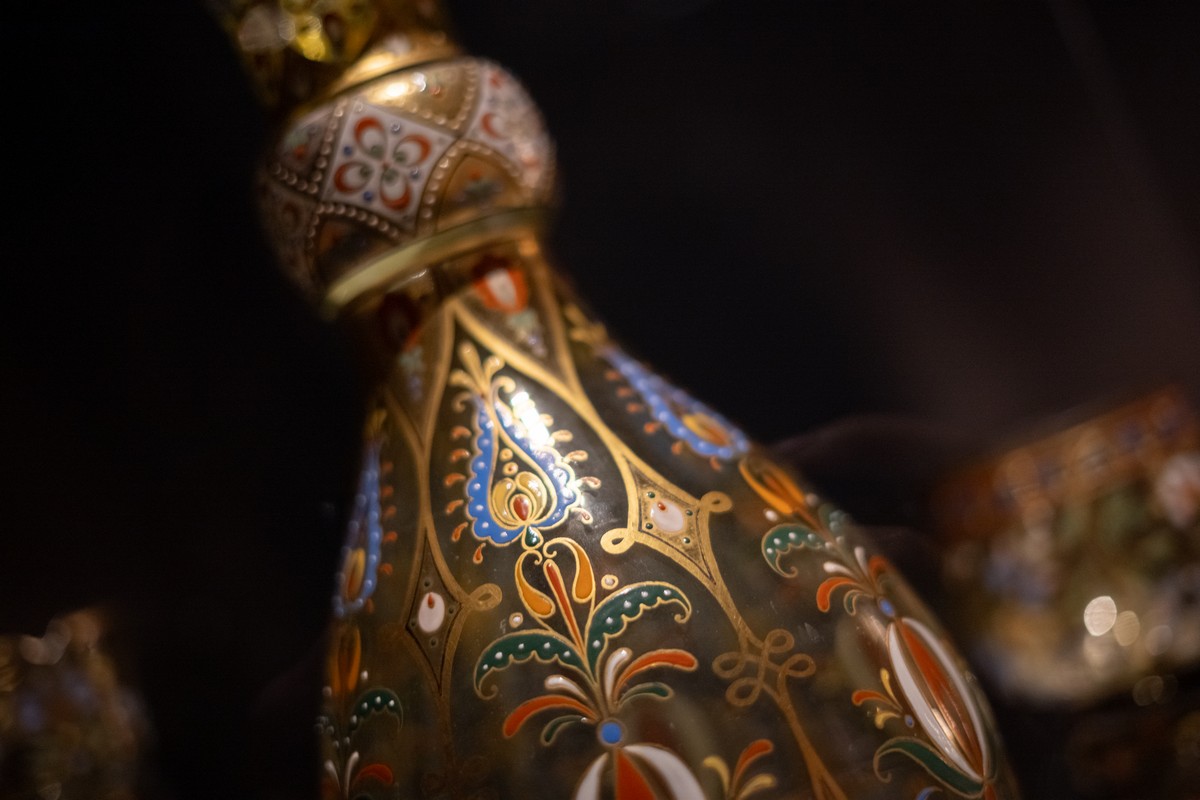
With this in mind, the aim of the exhibition is to reveal the common, often intangible roots of Hungarian and Turkish applied arts – almost bordering on poetry. In ceramic art, the bokály (a slender, single-handled, pear-shaped, clay wine container; the word comes from the Italian word boccale meaning ‘jug’), in glass art, the Parád ornate glasses represent this elusive, emotionally based artistic layer. Moving on to the orientalizing crafts of the 19th century, we present some typical examples from the age of the birth of modern European craftsmanship, illustrating how significant artists showed receptivity for the arts and crafts of the East in Hungary in the 19th century .
By showcasing the autonomous ceramics and glass art of the 20th and 21st centuries, we aim to show how the “art of fire” in Hungary developed from these common roots after the earlier intense cultural relationship had practically ended. In the course of time, the turbulent history has pushed the Hungarian and Turkish cultures further apart, and today this relationship is not as clear as it was in the times of the Transylvanian princes and the Rákóczis, or even in the 19th century. That is why it is important to keep this connection alive and thriving in the relevant areas of contemporary Hungarian applied arts. With this exhibition, we would like to strengthen the relationship between ceramics and glass art of these two nations and give it new content for the 21st century. Alongside the historical past we would like to present the future-oriented achievements of our contemporary ceramics and glass art. Our aim is to make the dialogue within the genre as active again as it was in the past, when the “art of fire” could mutually grow by each other’s achievements and accomplishments.
Dr. András Szilágyi Prof. György Fusz
glass art curator, art historian ceramic art curator, founder
Bohus-Lugossy Foundation for Contemporary Glass Art Foundation for Contemporary Ceramic Art
The exhibition is jointly organised by the Bohus-Lugossy Foundation for Contemporary Glass Art and the Foundation for Contemporary Ceramic Art.
Turkish influences in Hungarian glass and ceramics
presented in the framework of the Hungarian-Turkish Cultural Year 2024
THE ART OF FIRE has been made possible by the Ministry of Culture and Innovation of Hungary, Ministry of Foreign Affairs and Trade of Hungary, Republic of Türkiye Ministry of Culture and Tourism, Hungarian Academy of Arts, Synergy Construction, Gül Baba Heritage Foundation, Liszt Institute - Hungarian Cultural Centre Istanbul, the Municipality of Veszprém and the University of Pannonia.
Patron of the exhibition:
Dr. Tibor Navracsics
Minister of Public Administration and Regional Development of Hungary
Organizers:
Bohus-Lugossy Foundation for Contemporary Glass Art & Foundation for Contemporary Ceramic Art
Glass art curator: Dr. András Szilágyi
Ceramic art curator: Prof. György Fusz
Organizer: Eszter Bohus
Founder & Member of the Board of Bohus-Lugossy Foundation
Collaborating partners:
Laczkó Dezső Múzeum, Veszprém
Wosinsky Mór Múzeum, Szekszárd
Herendi Porcelánmanufaktúra Zrt., Herend
Varga Crystal, Ajka
Zsolnay Porcelain Manufacture JSC., Pécs
Zsolnay Cultural District, Pécs
Private Collections:
Attila Sík Collection
András Szilágyi
Bohus-Lugossy Foundation
International Ceramic Studio, Kecskemét
Insurance: UNIQA Insurance Group
International transportation: Diplomatic Courier Service by the Ministry of Foreign Affairs and Trade
Local and regional transportation: Gottlasz Team, Zsolt Honfi, Ákos Csanádi
Graphic designer: Tamás Bereznai
Print production: BEFLEX
Installations: Péter Balogh Design, Hungarian Academy of Arts
Event photo & video: Liza Lukácsi
Communication & PR: MITTE Communications
Turkish translations: Dr. Miklós Kerekes, Canan Urbán, Gül Baba Heritage Foundation
English translations: Ildikó Richter
Proofreader in English: Dr. Borbála Richter
Proofreader in Turkish: İ. Can Koç
Special thanks to:
Máté Vincze, Deputy State Secretary for Public Collections and Cultural Development, Ministry of Culture and Innovation of Hungary
Ekrem Aytar, Museum of Turkish and Islamic Arts
Republic of Türkiye, Ministry of Culture and Turism
Museum of Turkish and Islamic Arts
Áron Sipos, Director of Liszt Institute – Hungarian Culture Centre, Istanbul
Máté Gergő Kovács, Deputy Director of Liszt Institute – Hungarian Culture Centre, Istanbul, Cultural Attaché
Dr. Attila Sík, Professor of University of Birmingham
Attila Turi, President, Hungarian Academy of Arts
Dr. Gábor Richly, Secretary-General, Hungarian Academy of Arts
Márton Strohner, Head of Department Responsible for Regional and International Affairs, Hungarian Academy of Arts
Katalin Kárpáti, Head of Department Responsible for International Affairs, Hungarian Academy of Arts
Erika Sütő, Head of International Ceramic Studio, Kecskemét
Dr. Márta Vizi, Archeologist, Museologist, Wosinsky Mór Múzeum, Szekszárd
Brigitta Péterváry-Szanyi, Managing Director, Laczkó Dezső Múzeum, Veszprém
Dr. Ibolya Gerelyes, Archeologist, Researcher, Hungarian National Museum, Budapest
Gyula Porga, Mayor of Veszprém
Dr. János Abonyi, Rector, University of Pannonia
Dr. Zoltán Birkner, Chairman of the Board, Foundation for the University of Pannonia